
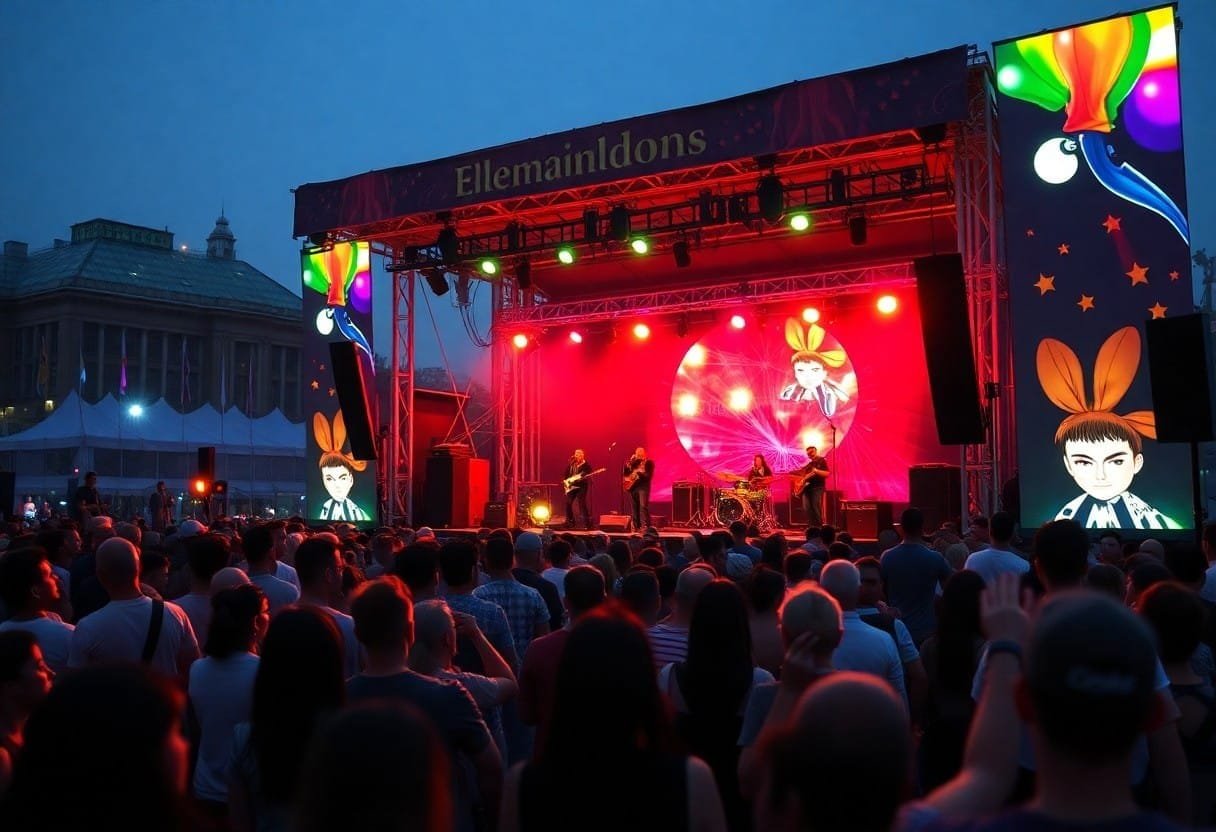
Walk into two bars with the same layout, same drinks list, and same crowd size, and the one with the right DJ will feel like a completely different night out. That’s not just a feeling — it’s backed by real research into how music shapes atmosphere, energy, and how long people stick around. Here’s what that research actually says, the most common mistakes venues make when hiring a DJ, and how to avoid them.
Why music has this much influence over a room
PPL PRS — the UK body that licenses music for public use — surveyed customers and found that 53% find a venue with no music playing unenjoyable, with lack of atmosphere cited as the main reason. That’s the baseline: music isn’t decoration, it’s a core part of what makes a space feel alive rather than flat.
Tempo and rhythm matter specifically for movement. Academic research on music and dance behaviour has found that fast-tempo tracks measurably increase the size of people’s body movements, and that a rise in bass drum loudness pulls listeners into tighter rhythmic sync with the beat — part of why a well-placed bassline can visibly shift a room from standing around to dancing. Separately, tempo research on electronic dance music has found that the most common tempo range for tracks designed to get people moving sits around 120–128 BPM, which lines up closely with natural resting heart rate and everyday movement rhythms — one reason that range reliably works across a wide range of crowds.
None of this happens with a static, pre-set playlist. A DJ reading a room adjusts energy, tempo, and genre live, in response to what’s actually happening on the floor — building energy when the moment calls for it, easing off when the crowd needs it, and shifting between the two multiple times over a night. That responsiveness is the entire value a live DJ adds over recorded music, and it’s why the research on atmosphere and the practical experience of a DJ-led night point the same direction.
The five mistakes that undo all of this
Good research and a good DJ still won’t save an event if the hiring process itself goes wrong. The mistakes we see most often, in order of how much damage they do:
- Not checking the DJ actually fits the setting. A DJ who’s brilliant at weddings isn’t automatically right for a late-night bar residency, and vice versa. Style, experience with your kind of crowd, and comfort with your genre range all matter more than a generic “good DJ” reputation.
- Vague communication about expectations. If the DJ doesn’t know your audience, your venue’s vibe, any must-avoid genres, or how the night is expected to build, they’re guessing. The best sets come from a proper brief beforehand, not assumptions on the night.
- Overlooking logistics. Equipment needs, setup and soundcheck time, load-in access, and power all need agreeing in advance. A DJ arriving to find no time to set up, or the wrong equipment on-site, starts the night on the back foot.
- Loose or missing contracts. Payment terms, cancellation terms, start and finish times, and equipment responsibilities should all be in writing. A contract isn’t a formality — it’s what protects both sides if something changes.
- No backup plan. Illness, transport issues, and last-minute emergencies happen. Booking a single freelancer with no fallback means any of those becomes your problem on the night, with no time to fix it.
How this plays out with an agency vs. going it alone
Most of those five mistakes are exactly what a DJ agency exists to prevent. We take a proper brief before matching a DJ — understanding your venue, your crowd, and what’s worked or hasn’t before — rather than just sending whoever’s free. Logistics and contracts run through us, so equipment, timing, and terms are agreed and documented before the night, not sorted out on the day. And because we work with a roster rather than a single DJ, there’s a backup option if something goes wrong.
None of that replaces the DJ’s own skill on the night — reading the crowd, adjusting tempo and energy, knowing when to build and when to hold back is still down to them. What the process around the booking does is make sure that skill actually gets a fair chance to show up, instead of being undermined by a mismatched brief, missing equipment, or a DJ who dropped out with no cover.
What this means if you’re planning a night, event, or residency
- Be specific about genre, energy, and audience when you brief a DJ — the more they know upfront, the better they can shape the set live.
- Agree equipment and logistics before the day, not on it.
- Get terms in writing, even for a one-off booking.
- If the booking matters — a recurring residency, a wedding, a corporate event with no room for error — weigh up whether the backup and vetting an agency provides is worth it against going direct to a freelancer.
Ready to book a DJ who fits your event?
At Eclectic DJ Collective, we match venues and events with DJs from a vetted roster, handle the brief, logistics, and contracts, and provide backup cover if plans change. Browse our roster, or get in touch to talk through your event or venue.
Sources: PPL PRS customer survey on music and venue atmosphere; peer-reviewed research on music tempo, bass, and dance movement (Journal of New Music Research; Music Perception; academic tempo studies on electronic dance music).
